
Dental Crowns Richardson
Restore the Appearance & Function of Damaged Teeth
Teeth that are badly decayed or too severely damaged to support a traditional filling can often benefit from a durable, lifelike dental crown in Richardson. These beautiful, natural-looking restorations blend in seamlessly with the rest of your smile, allowing you once again to use your damaged tooth to enjoy a full diet, all the while protecting it from further damage.
Why Choose Dentistry by Canyon Creek for Dental Crowns?
- Beautiful, Lifelike Restorations
- Dental Insurance Welcome
- Personalized, Compassionate Care
What Is a Dental Crown?
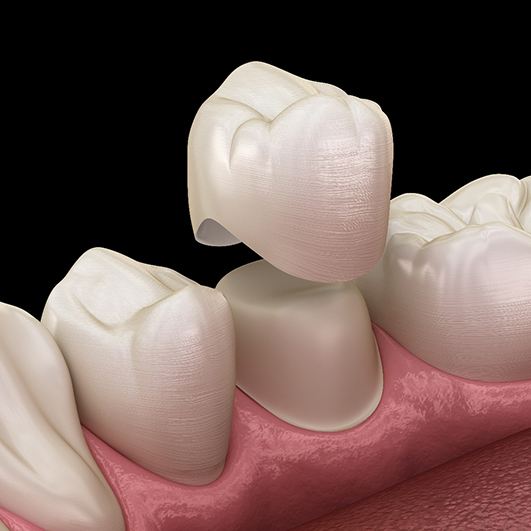
Think of a dental crown as a deluxe filling, but instead of only restoring a small portion of damaged enamel, it fits over your reshaped tooth like a cap. Your dentist will then cement the crown in place, so it both looks and feels just like a real tooth.
If you have a tooth that has a deep crack, severe damage or extensive decay, a dental crown can restore the damaged areas without the need for an extraction, allowing you to continue using the tooth as intended all the while protecting the underlying structure from further damage.
The Process of Getting a Dental Crown

Getting a dental crown is easy. First, your dentist will take impressions of the damaged tooth. Then, he will carefully remove the damaged portions and make more impressions of the remaining structure. You will then be fitted with a temporary crown, which you will wear to protect the tooth until your permanent crown is delivered to our office from the dental lab. Typically, this takes about two weeks.
Once your new crown arrives, you will be scheduled to return to Dentistry by Canyon Creek to have the temporary crown removed and the permanent crown attached. Once attached, you will be able to immediately begin using the newly restored tooth to enjoy a full diet without any recovery period or downtime.
Benefits of Getting a Dental Crown

Failure to protect teeth with severe damage could eventually result in worsening oral health problems, including complete loss of the tooth. Restoring the tooth with a dental crown can provide the following incredible benefits:
- Improved comfort and chewing ability.
- Protection of the underlying natural tooth.
- Versatile prosthetics can correct a variety of oral health problems at once.
- Dental crowns can be customized to match your surrounding teeth.
- Easy to care for with regular brushing, flossing, and routine dental checkups and cleanings.
- Can last 15+ years with proper care and use.
Understanding the Cost of Dental Crowns

If you need a dental crown to repair a damaged or decayed tooth, cost is almost always going to be at the top of your mind—and we get it. Dental crowns are a long-term investment in your oral health, and our team is committed to helping you get the treatment you need without bending your budget. Keep reading below to find a detailed guide to price factors, financials, and how we can help you achieve a healthier smile for less.
Factors That Affect the Cost of Dental Crowns
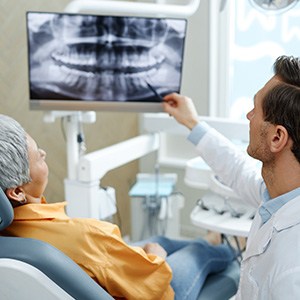
Several variables come into play when determining your restoration's final cost, including:
- Material: Crowns can be made from porcelain, metal, or a combination of both. Metal-free options tend to look more natural, especially on visible front teeth, while metal crowns can offer added durability for molars that handle heavy chewing.
- Location in Your Mouth: Crowns placed on back teeth may be priced differently than those on more visible front teeth, mostly due to material choices and aesthetics.
- Preliminary Treatment: If your tooth needs additional care first, like a root canal or a buildup to support the crown, those services will add to your overall cost.
- Lab Fees: Because crowns are custom-crafted at a dental lab specifically for your smile, fabrication costs are factored into the total price as well.
There are many factors to consider, but our team will always strive to make your care simple. We'll lay out all your options, figure out what fits, and give you an estimate of costs before your treatment begins.
Does Dental Insurance Cover Dental Crowns?
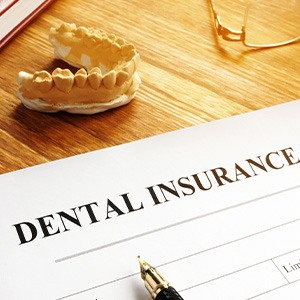
In most cases, yes. Dental insurance typically classifies crowns as a major restorative procedure, often covering a portion of the cost once your deductible is met. Dentistry by Canyon Creek accepts most major PPO plans, including Aetna, Cigna, MetLife, Blue Cross Blue Shield, and several others. Our team is happy to help verify your benefits and file claims on your behalf, so there are no surprises when your bill arrives.
Other Options for Making Dental Crowns Affordable

If you're uninsured or want additional ways to save, we have you covered. Our In-House Savings Plan offers cleanings, exams, X-rays, and 20% off recommended treatment for one low annual fee. It's like dental insurance, just without all the red tape to cut.
We also partner with CareCredit and Cherry, both of which offer low-to-no interest financing to help spread the cost of your crown out over time. Whatever your situation, our team is happy to help you find the right fit.
Dental Crown FAQs
Are dental crowns permanent?
Although they’re not technically permanent, dental crowns in Richardson are certainly a long-term solution. In fact, on average they can protect your tooth for anywhere from five to 15 years!
When your dentist reshapes your tooth for a dental crown, that procedure is considered irreversible, because tooth enamel cannot grow back once it’s been lost. Thus, it will always need a crown for protection moving forward.
Crowns protect the underlying tooth from additional damage, helping it survive for much longer than it likely would have otherwise. You can ensure that your new crown stays in great shape for years to come by brushing your teeth twice a day, flossing daily, wearing a mouthguard or nightguard if you play sports or grind your teeth, and visiting your dentist every six months for your preventive checkups and cleanings.
How long do dental crowns last?
On average, you can expect your dental crown in Richardson to last anywhere from five to fifteen years, but this will vary depending on the material it’s made from. Metal crowns typically last a little bit longer than metal-free crowns, but this isn’t always the case, and this difference is often negligible.
More so than the material your crown is made of, its longevity depends on a variety of individual factors like your diet, oral hygiene, and whether you have any bad oral habits like smoking, nail biting, teeth grinding, or crunching ice cubes.
Crowns on front teeth may also last slightly longer than those on molars, as they’re not subjected to as much wear and tear from chewing.
Do dental crowns get cavities?
While it is technically impossible for a dental crown in Richardson to develop cavities, the natural tooth underneath still can. In fact, a crowned tooth has approximately the same risk of decay as an uncrowned tooth. That’s because poor oral hygiene makes it possible for bacteria and plaque to form around the gumline where the tooth meets the crown. They can then travel underneath the crown, wreaking havoc on the vulnerable underlying tooth.
You can do your part to prevent the formation of new cavities in crowned teeth the same way you would in any other tooth: with daily brushing, flossing, and regular checkups and cleanings from your dentist.
Does it hurt to get a dental crown?
As with all dental fillings, your dentist will numb the tooth they’ll be working on before beginning your dental crown treatment.
In most cases, all you’ll need is a topical anesthetic, but severely nervous or anxious patients may also benefit from nitrous oxide sedation.
While your tooth will be numbed during the preparation phase, it may not need to be for the final crown placement. If you’ll be receiving a traditional crown, this will require two appointments, and your dentist may not administer anesthetic when removing the temporary crown and placing the permanent one. If you would prefer to be numbed, please let us know.
After the preparation (and, to a lesser extent, the placement) of your dental crown in Richardson, your tooth may feel sensitive over the next few days, particularly if you’ve also had a root canal. Taking an over-the-counter pain reliever should help, but please give us a call if the discomfort worsens instead of improving.
Finally, it’s important to keep in mind that because your dental crown will protect your vulnerable tooth from damage, it may very well prevent further pain in that tooth later on!